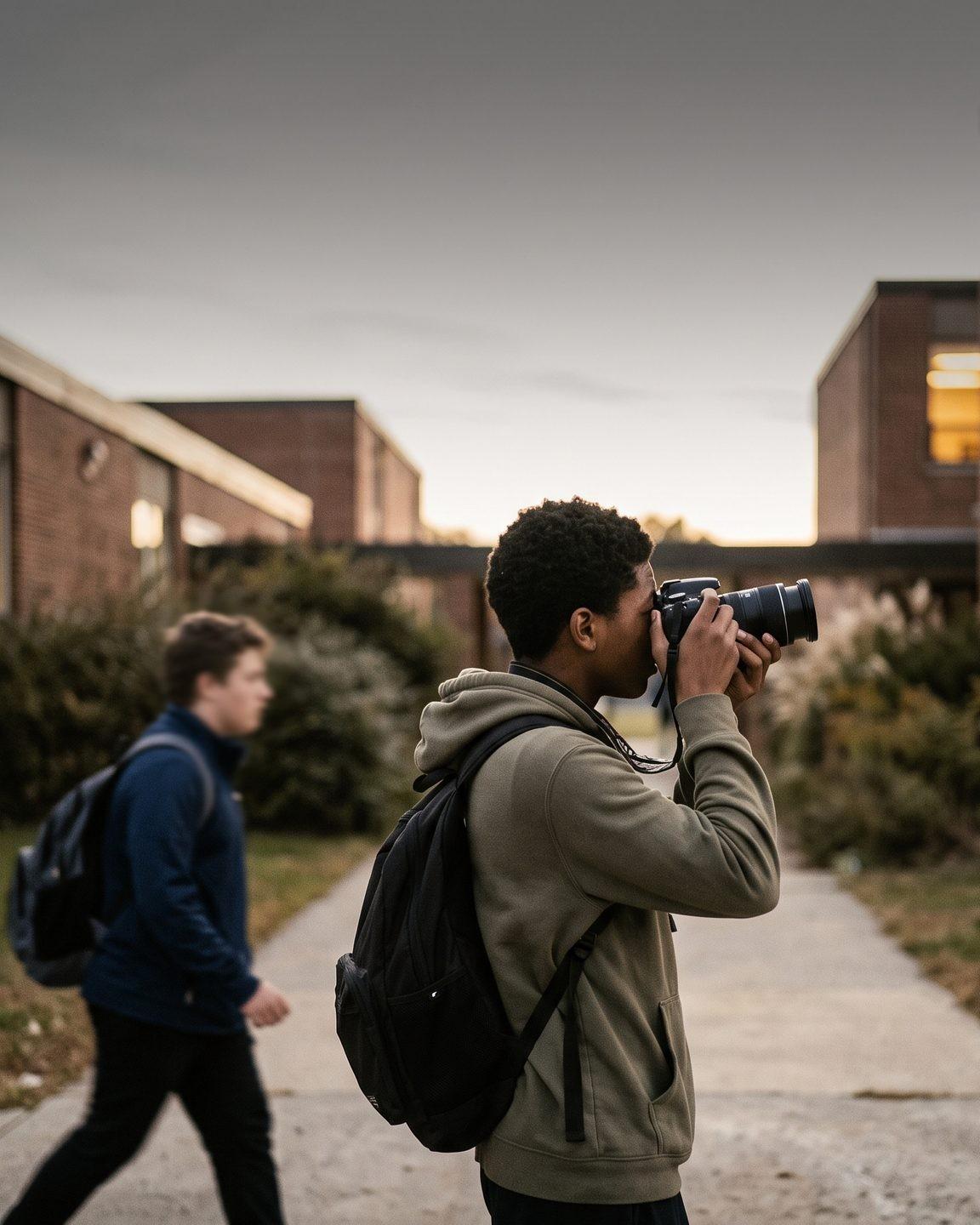
Photo Essay
A sequenced series on a subject the student knows firsthand, with captions and an artist statement.
Creative Pathway
This program introduces students to the art and practice of photography as a tool for visual storytelling and creative expression. Students will learn how to capture, edit, and present compelling images using digital cameras and industry-standard editing tools.
Student learning
How the photography pathway is taught, what students leave able to do, and where it applies.
Through hands-on projects, students will explore composition, lighting, framing, color, and visual narrative while developing technical skills in photo editing and digital imaging. Emphasis is placed on media literacy, creative direction, and using photography to communicate ideas, emotions, and real-world stories.
Outcomes
By the end of the program, students will be prepared to produce professional-quality photography for real-world applications such as social media content, event coverage, fashion/editorial shoots, school marketing, and visual branding, building a strong foundation for careers in photography, media, and the creative industries.
Real-world application
Prepares students for work in commercial photography, social media content creation, fashion, editorial, and visual branding. Also sharpens skills in creative direction, digital imaging, and photo-journalism.
Inside the pathway
The craft students get their hands on across the photography pathway.
What transfers
Capabilities that carry into other classrooms, college applications, and first jobs, whether or not a student stays in the discipline.
Where it leads
Roles this pathway maps to, across the creative industries and well beyond them.
Titles, entry points, and credential requirements vary by employer and region. The pathway is built so students leave with the vocabulary, the tool fluency, and the finished work these roles ask to see.
Made, not covered
Every pathway ends in work students made, presented, and own.
A sequenced series on a subject the student knows firsthand, with captions and an artist statement.
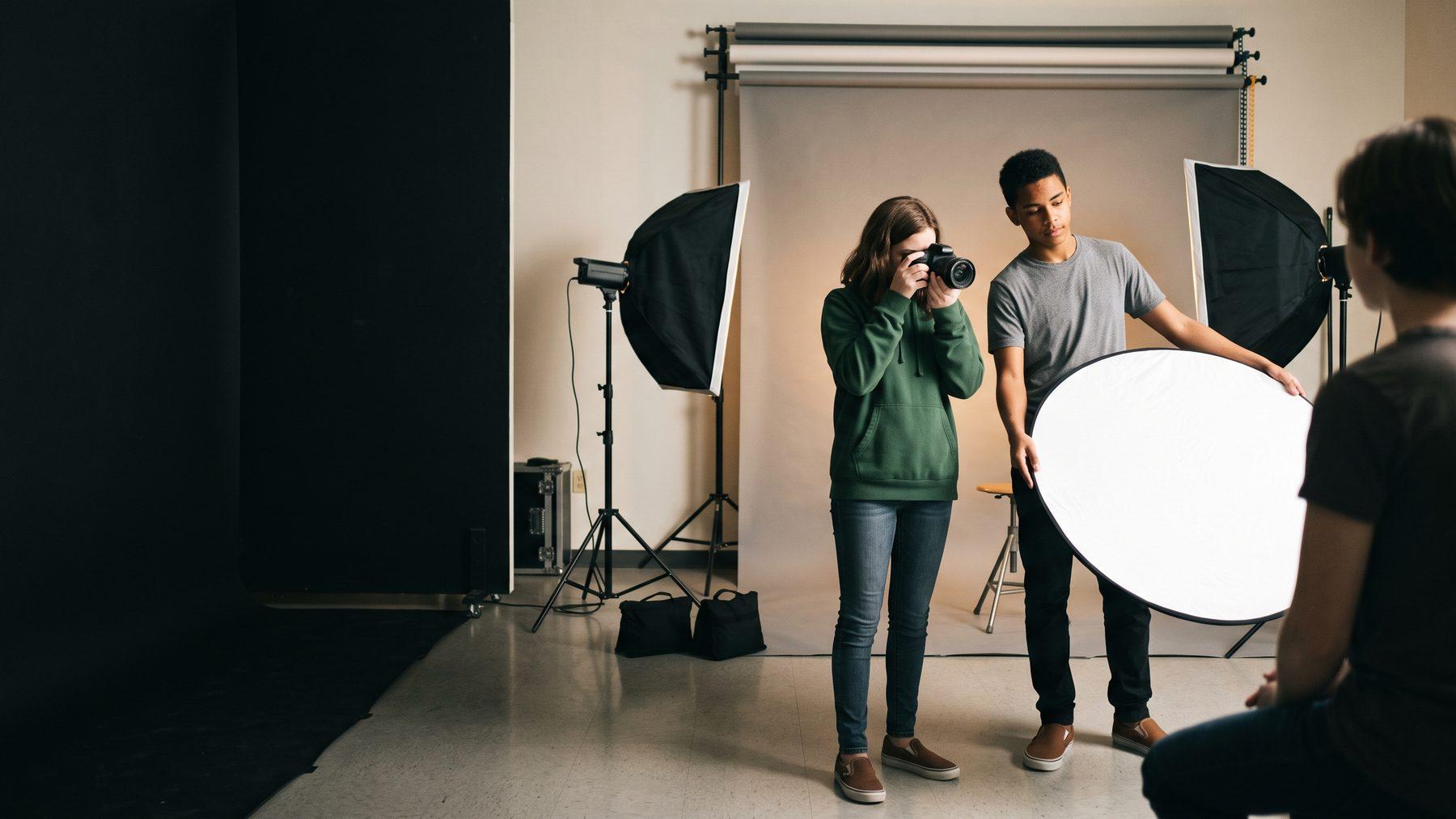
Students run a full portrait session for classmates or staff, from lighting setup to final delivery.
Prints selected, sequenced, hung, and shown to the school and families.
What schools see
What students, families, and staff can point to by the end of the engagement.
Beyond the classroom
The kinds of organizations pathway students meet, visit, and learn from.
Specific partners, guests, and site visits vary by region, cohort, and program format, and are confirmed with your school during planning.
Programs
Signature Music to the Ears programs that run inside the photography pathway.
Tell us about your students, your schedule, and your goals. We will map the photography pathway to the programs, formats, and funding routes that fit your campus.