Identity System
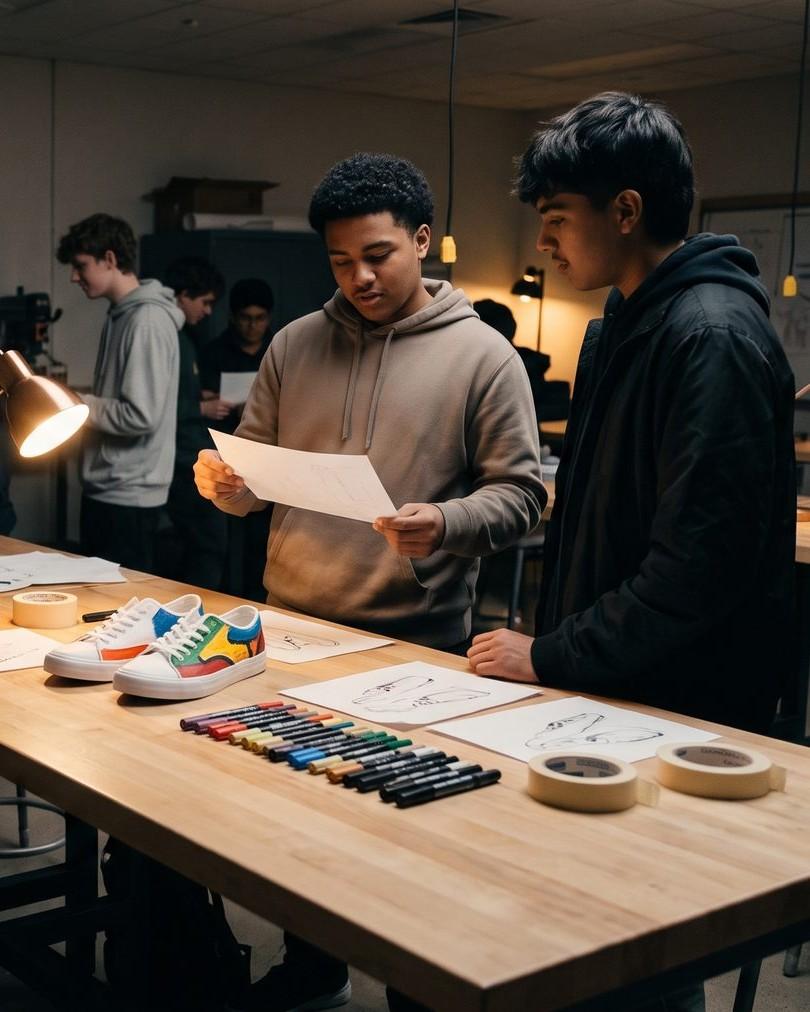
Students develop a full identity for a real or imagined venture: mark, type, color, applications, and rationale.
Creative Pathway
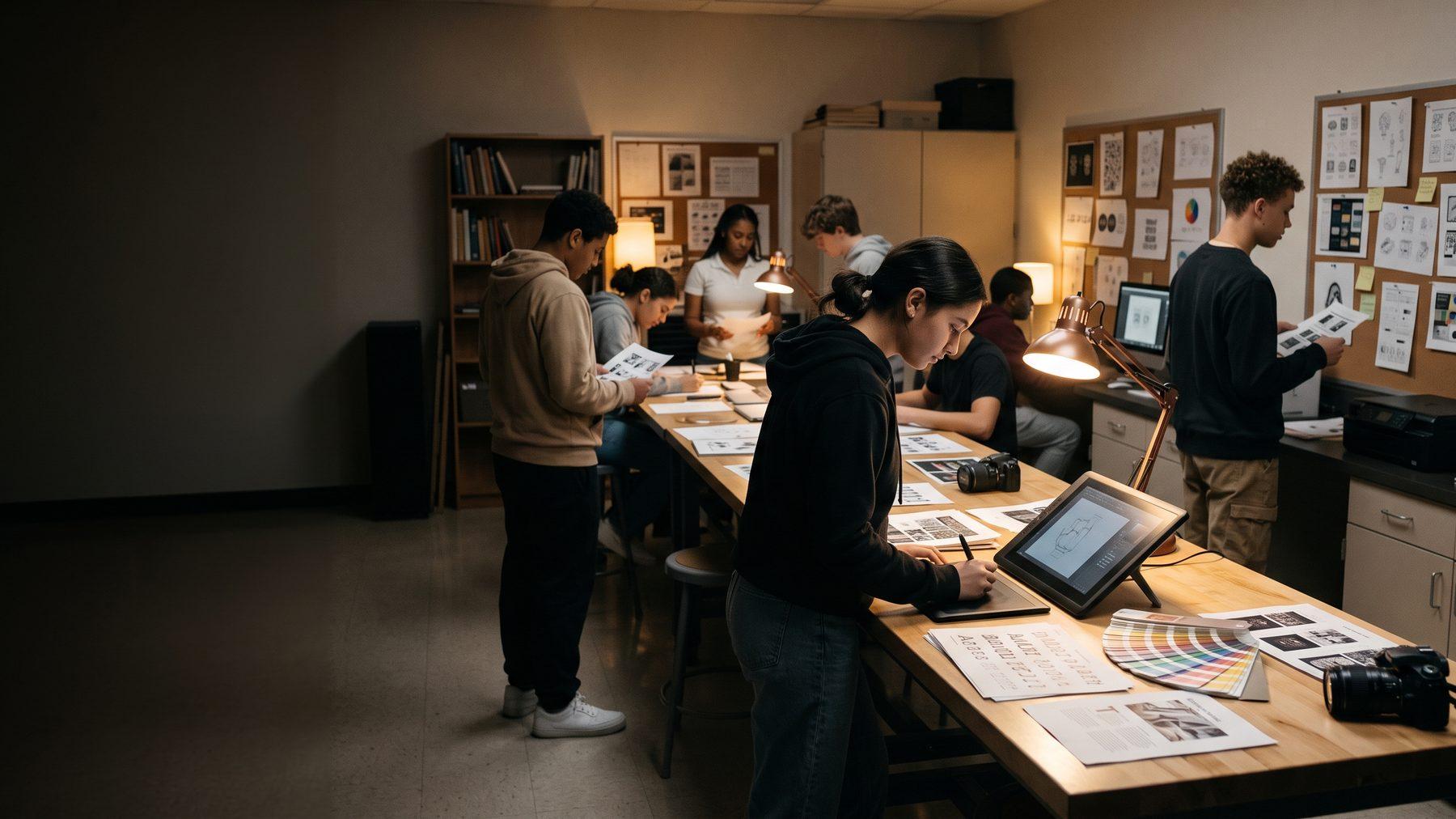
This program introduces students to the fundamentals of graphic design as a tool for visual communication and creative expression. Students will learn how to research, conceptualize, design, and present digital media projects across print, web, and social platforms using industry-relevant tools such as Canva.
Student learning
How the design pathway is taught, what students leave able to do, and where it applies.
Through hands-on projects, students will explore typography, layout, color theory, branding, and multimedia integration while developing visual literacy and design thinking skills. Emphasis is placed on collaboration, iterative prototyping, and creating work for both academic and real-world applications.
Outcomes
By the end of the course, students will be prepared to create professional-quality visual media assets for real-world applications such as school marketing, promotions, events, social media content, and branding, building a strong foundation for careers in graphic design, digital media, and the broader creative economy.
Real-world application
Skills apply to graphic design, fashion, web design, advertising, UX/UI, and creative entrepreneurship. Students learn to turn ideas into visual products for industries from tech to entertainment.
Inside the pathway
The craft students get their hands on across the design pathway.
What transfers
Capabilities that carry into other classrooms, college applications, and first jobs, whether or not a student stays in the discipline.
Where it leads
Roles this pathway maps to, across the creative industries and well beyond them.
Titles, entry points, and credential requirements vary by employer and region. The pathway is built so students leave with the vocabulary, the tool fluency, and the finished work these roles ask to see.
Made, not covered
Every pathway ends in work students made, presented, and own.
Students develop a full identity for a real or imagined venture: mark, type, color, applications, and rationale.
A wayfinding, merchandise, or communications redesign for their own school, presented to administrators.
A formal portfolio review where students present work and take critique from working designers.
What schools see
What students, families, and staff can point to by the end of the engagement.
Beyond the classroom
The kinds of organizations pathway students meet, visit, and learn from.
Specific partners, guests, and site visits vary by region, cohort, and program format, and are confirmed with your school during planning.
Programs
Signature Music to the Ears programs that run inside the design pathway.
Proof
Related work from schools, partners, and student cohorts.
Case Study
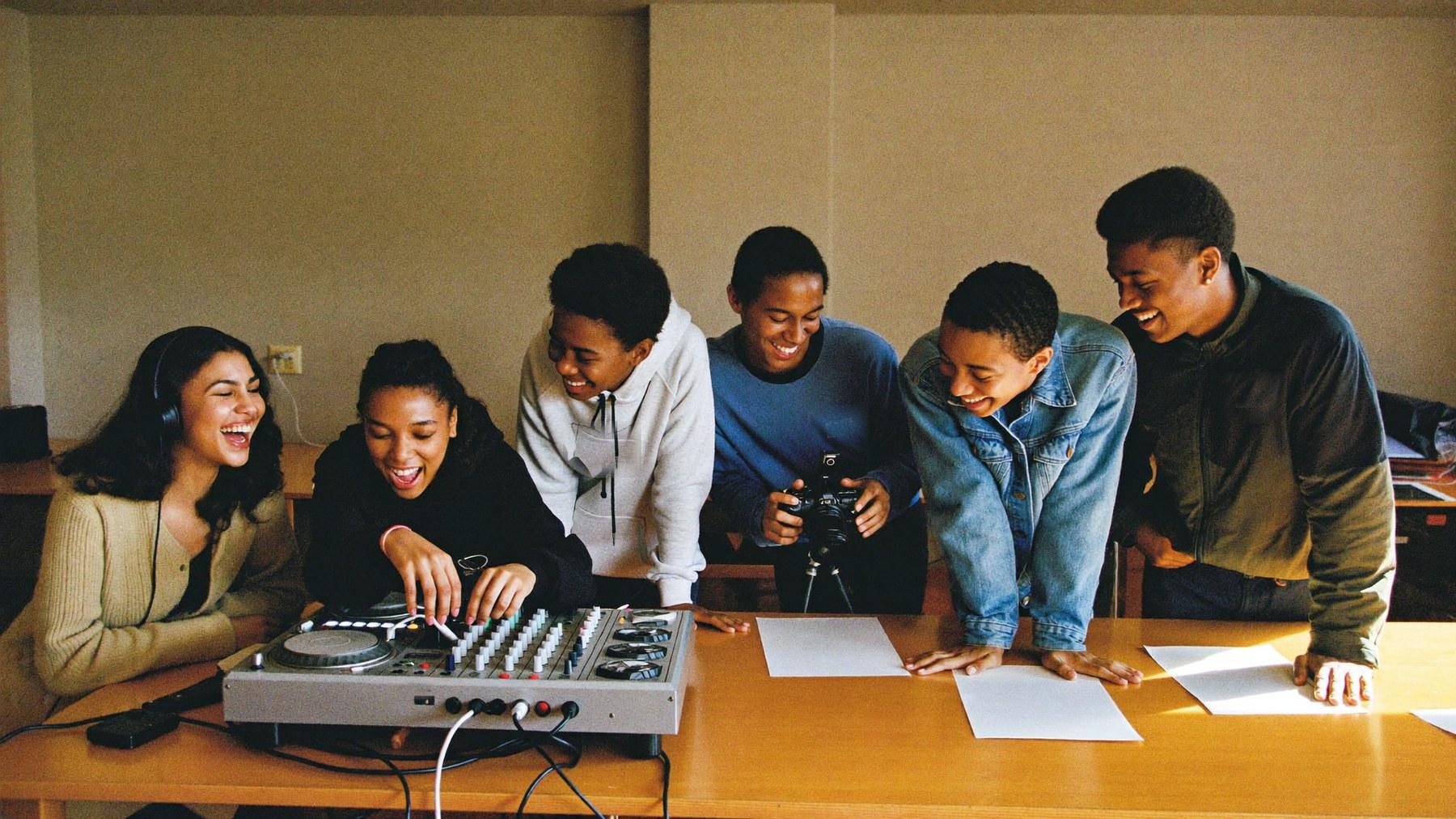
20K+ Students · 8 Pathways · 6 Years
Music to the Ears is an experienced vendor, delivering Creative Pathways, hands-on programs, industry experiences, and career-connected learning across LAUSD schools.
Partner Story
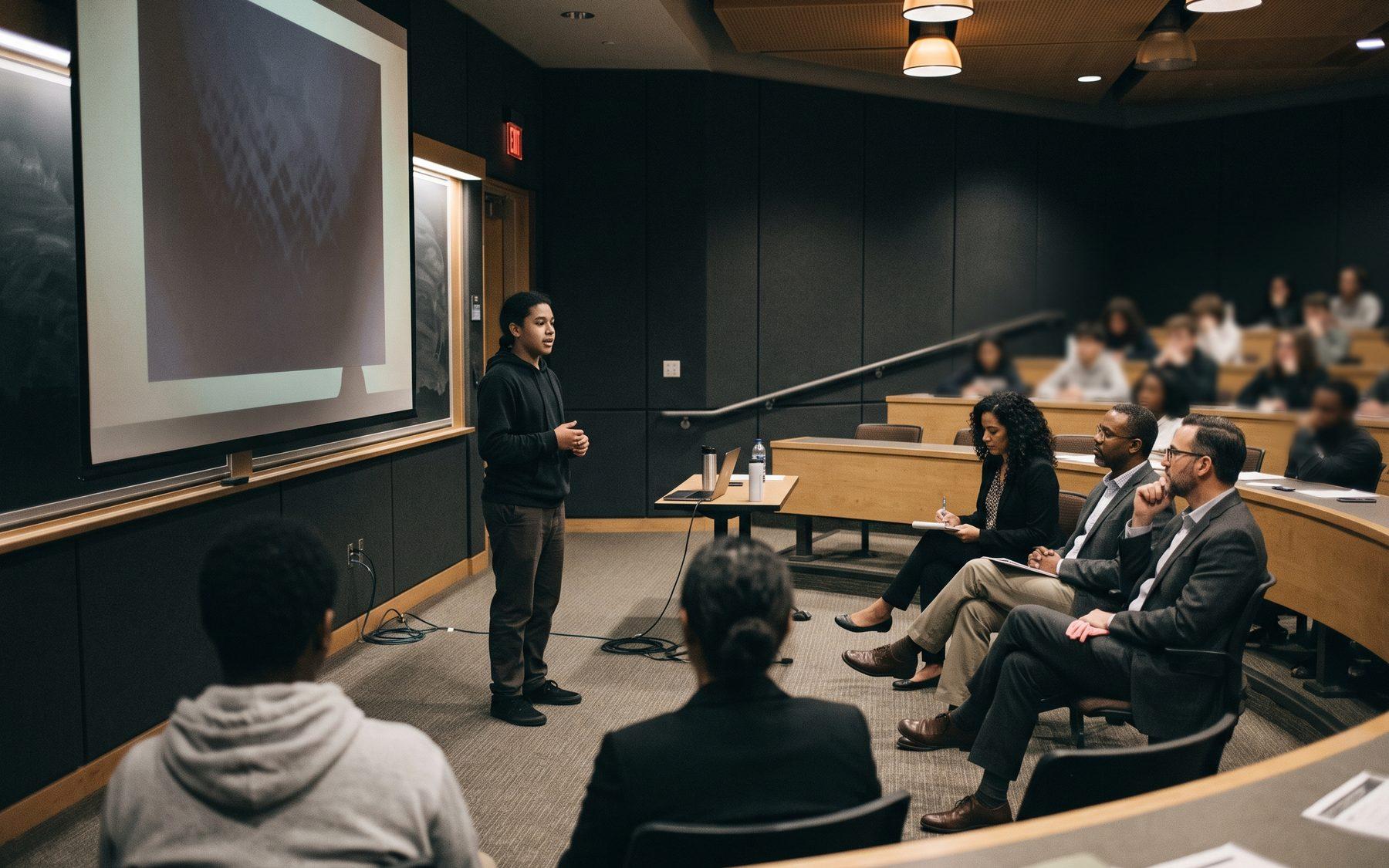
Student Ventures · Real Businesses
Student ventures developed with Loyola Marymount University: real businesses, real mentorship, real launch decisions.
Tell us about your students, your schedule, and your goals. We will map the design pathway to the programs, formats, and funding routes that fit your campus.