Original Track, Start to Finish
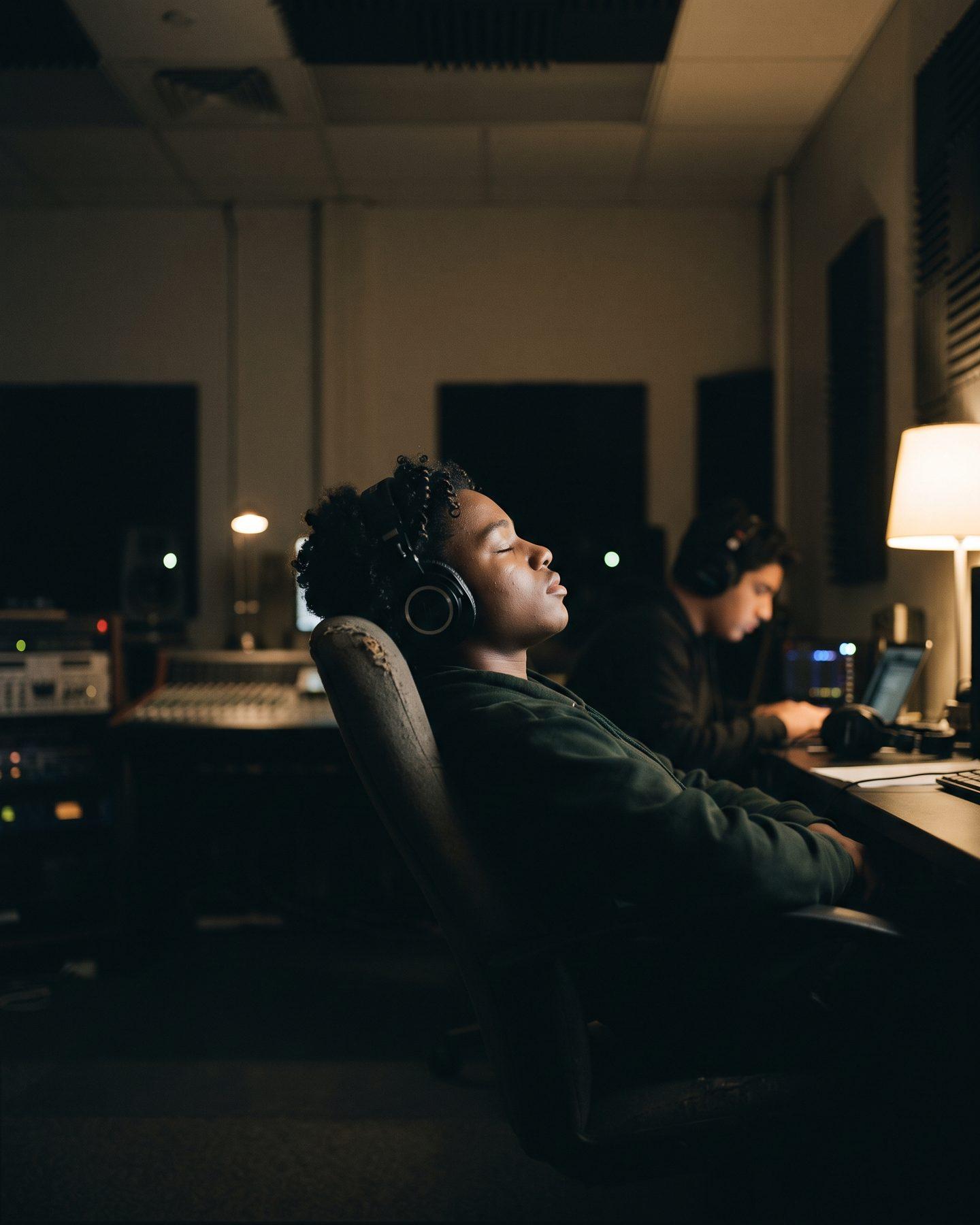
Each student produces, records, mixes, and titles one original track, then presents the creative decisions behind it.
Creative Pathway
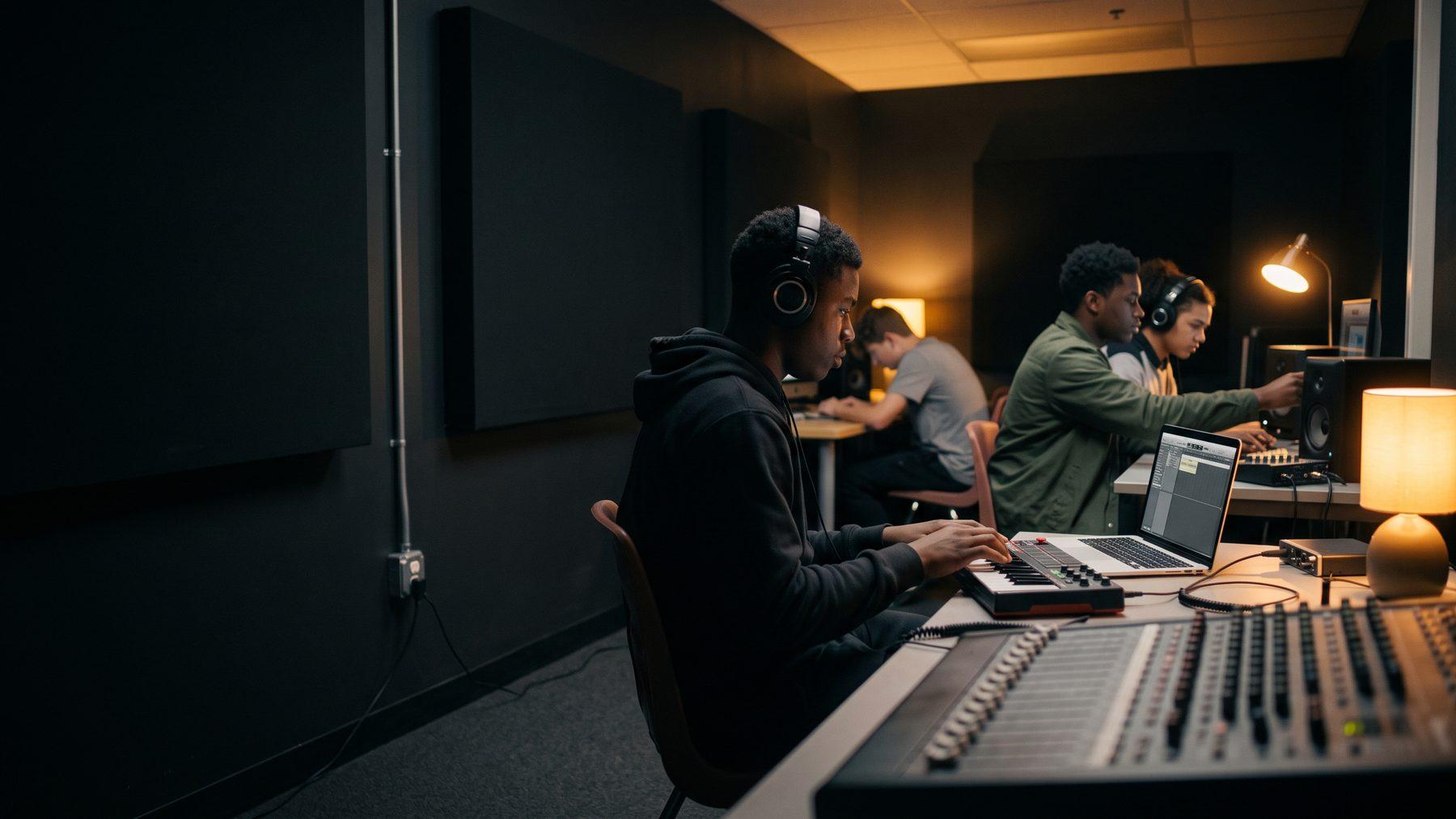
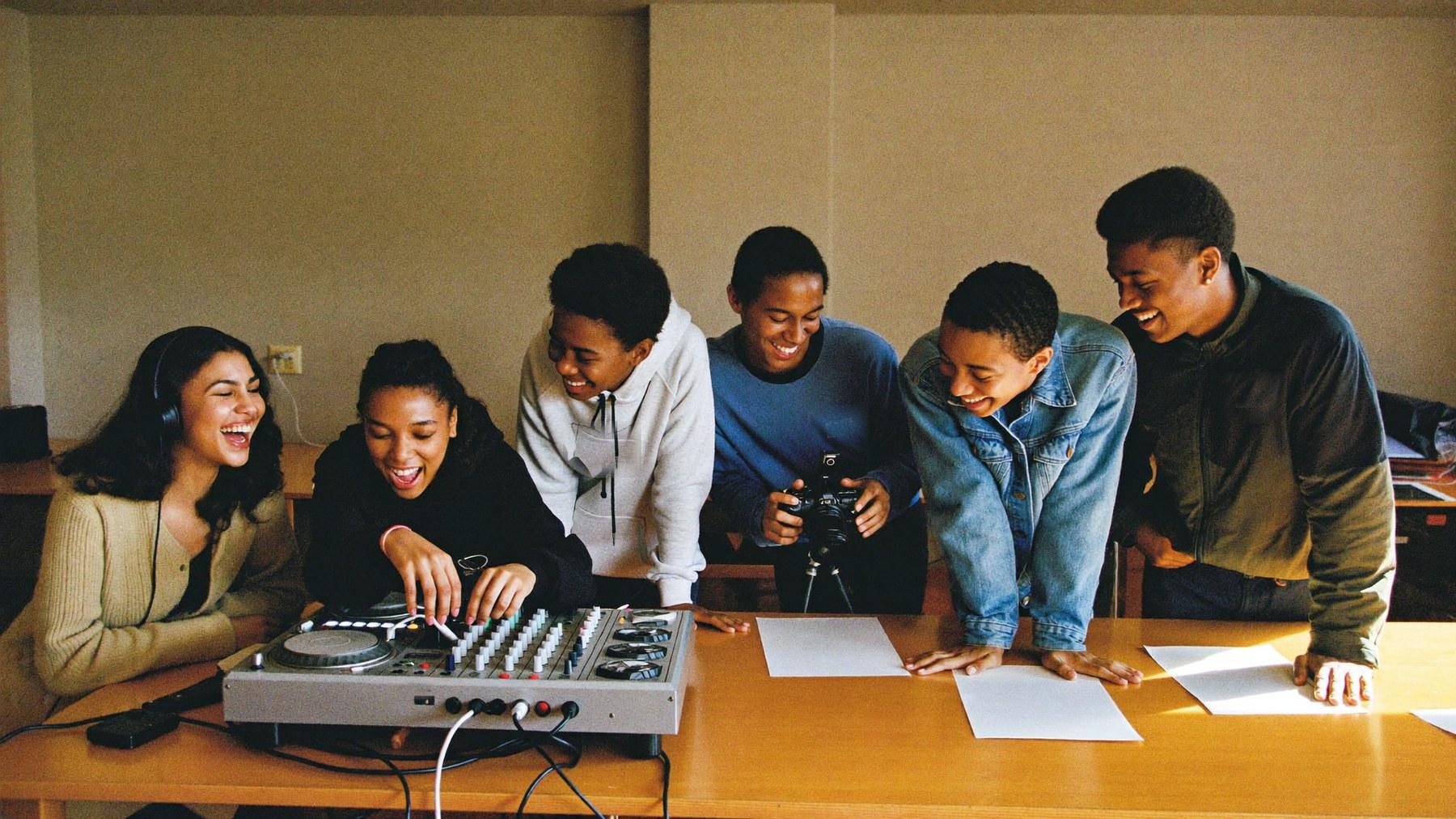
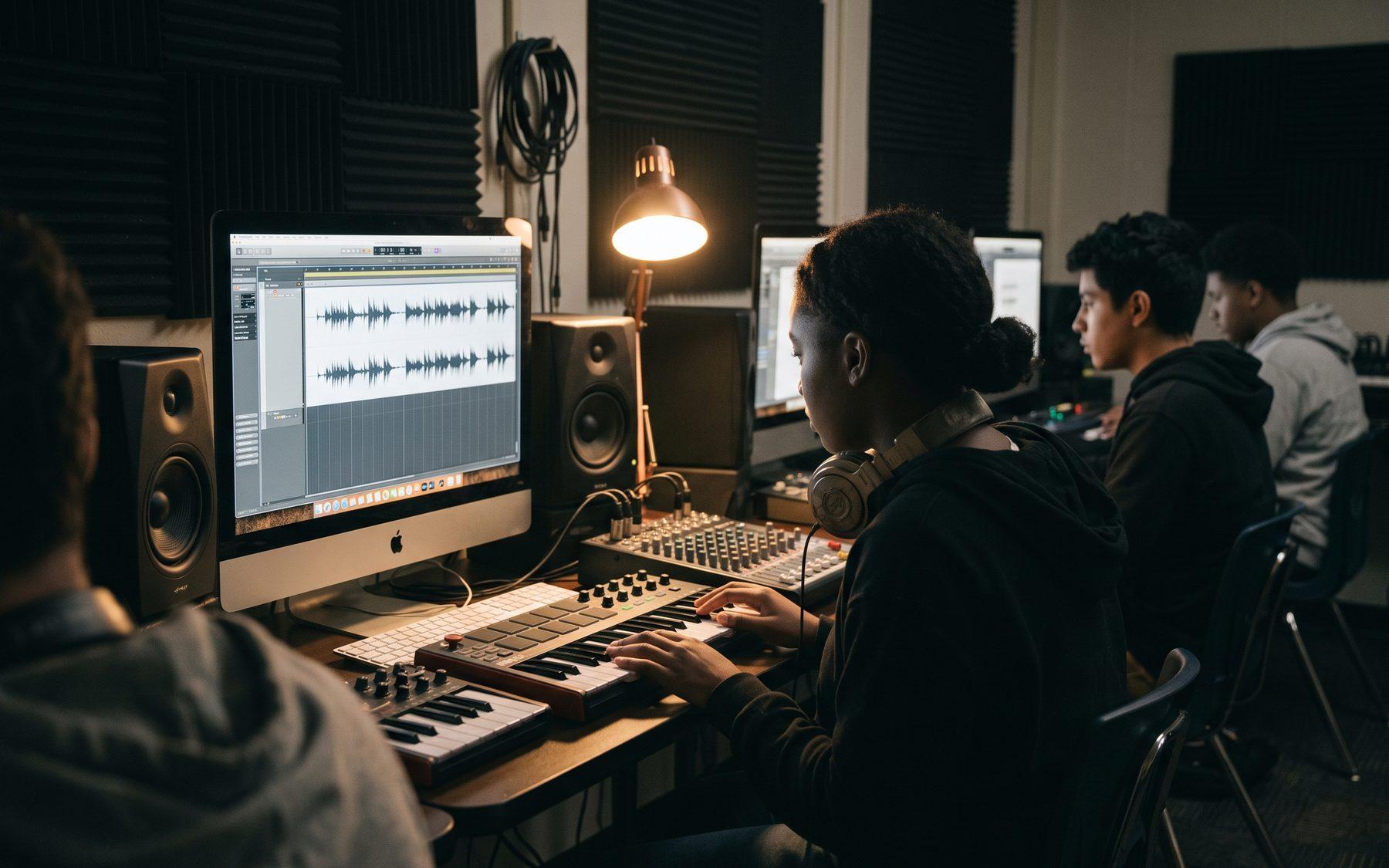
This program introduces students to the fundamentals of music technology as a platform for creative expression and technical skill development. Students will learn how to create, record, mix, and perform music using Digital Audio Workstations (DAWs), DJ software, and professional audio equipment.
Student learning
How the music pathway is taught, what students leave able to do, and where it applies.
Through hands-on projects, students will explore music theory, beat making, sound design, recording, and DJ mixing while developing skills in sequencing, composition, and audio engineering. Emphasis is placed on creativity, collaboration, and using music as a tool for storytelling and innovation.
Students will work with analog and digital instruments, industry-standard software, and production tools, gaining real-world experience in music creation and performance.
This program is designed to provide students with an interactive learning environment to help explore and cultivate their creative talents and interests using music.
Outcomes
By the end of the course, students will be prepared to produce and perform professional-quality music for real-world applications such as live events, recordings, and digital releases, building a strong foundation for careers as DJs, artists, producers, and audio engineers, while developing transferable skills in technology, collaboration, and project management.
Real-world application
Prepares students for roles as DJs, performing artists, recording artists, producers, sound engineers, and live audio technicians. Builds transferable skills in technology, collaboration, and project management.
Inside the pathway
The craft students get their hands on across the music pathway.
What transfers
Capabilities that carry into other classrooms, college applications, and first jobs, whether or not a student stays in the discipline.
Where it leads
Roles this pathway maps to, across the creative industries and well beyond them.
Titles, entry points, and credential requirements vary by employer and region. The pathway is built so students leave with the vocabulary, the tool fluency, and the finished work these roles ask to see.
Made, not covered
Every pathway ends in work students made, presented, and own.
Each student produces, records, mixes, and titles one original track, then presents the creative decisions behind it.
The cohort curates, sequences, and packages a compilation, including artwork, credits, and splits, as a real release.
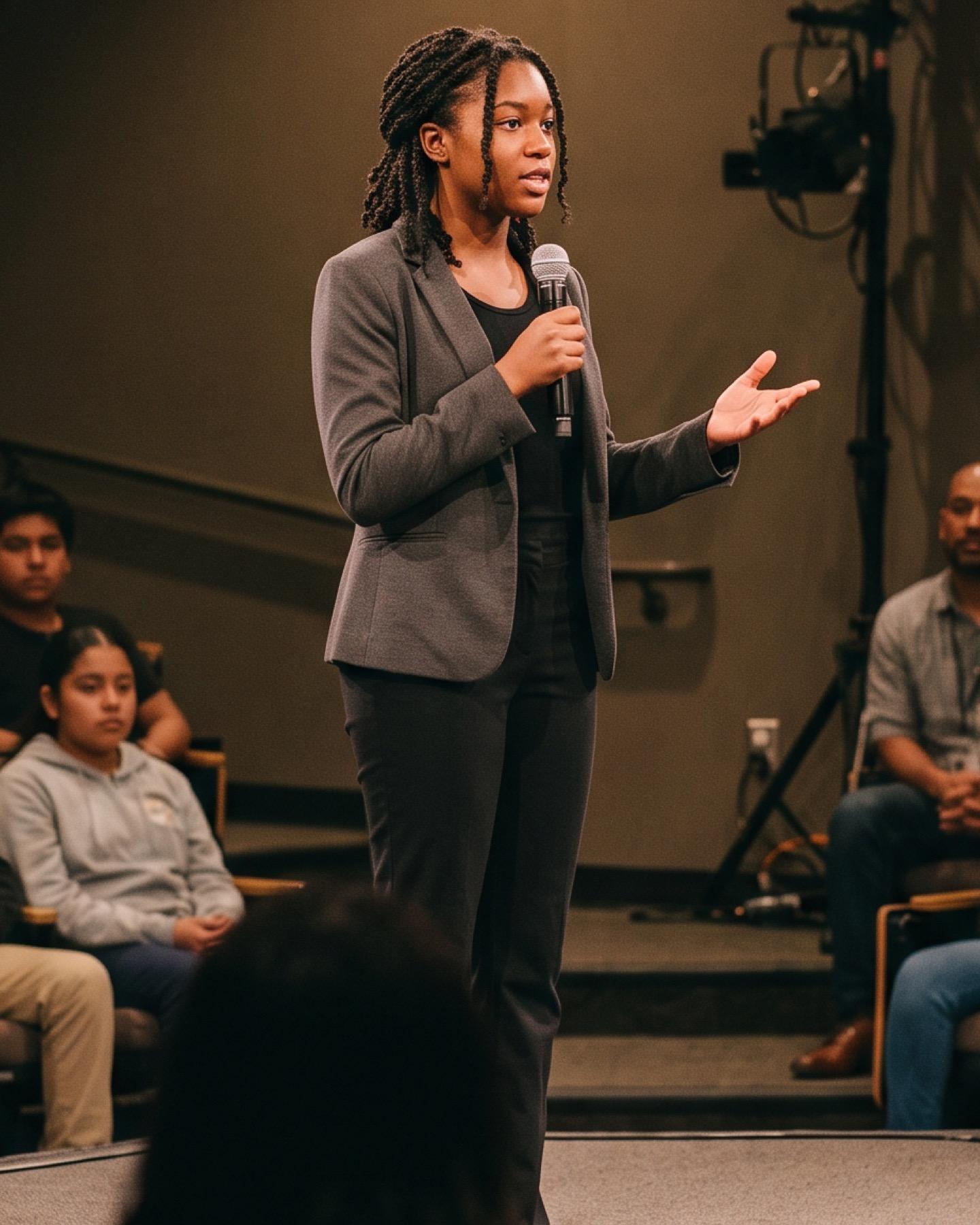
Students build and perform a short DJ or live set for their school community, running their own sound.
What schools see
What students, families, and staff can point to by the end of the engagement.
Beyond the classroom
The kinds of organizations pathway students meet, visit, and learn from.
Specific partners, guests, and site visits vary by region, cohort, and program format, and are confirmed with your school during planning.
Programs
Signature Music to the Ears programs that run inside the music pathway.
Proof
Related work from schools, partners, and student cohorts.
Case Study
20K+ Students · 8 Pathways · 6 Years
Music to the Ears is an experienced vendor, delivering Creative Pathways, hands-on programs, industry experiences, and career-connected learning across LAUSD schools.
Initiative
An inclusive music education program empowering Deaf and Hard of Hearing students to experience sound, feel vibration, explore rhythm, and create music.
Tell us about your students, your schedule, and your goals. We will map the music pathway to the programs, formats, and funding routes that fit your campus.